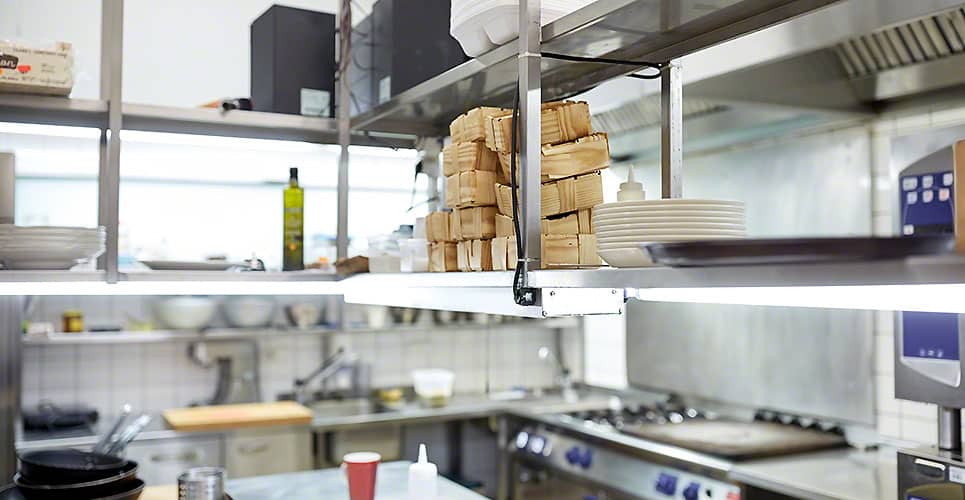
A blast chiller is a refrigeration unit that rapidly cools food to avoid bacterial growth. It performs this without affecting the aroma, taste, or texture of the food. This is why it’s an important appliance for food businesses. If it breaks down, it can lead to food storage problems. Therefore, it is recommended that you consult a commercial refrigerator repair expert for scheduled maintenance. Here are some ways to keep your blast chiller or blast freezer in good shape.
Tips For Maintaining A Blast Chiller
Clean The Temperature Probes Before And After Every Use
You may already be aware of the importance of cleaning the temperature probe of a blast chiller. It’s a useful component that checks the food’s internal temperature to ensure that it doesn’t over-chill or under-chill the food.
This is required because the ambient temperature inside a blast chiller may be different from the temperature of the food item. This difference can allow mistakes in chilling the food item. Therefore, these temperature probes are important.
The number of temperature probes depends on the model and type of the blast chiller. However, there are usually two temperature probes. Cleaning them is vital before and after every use to avoid cross-contamination and ensure accurate reading.
You can fill a small bucket with water and mild detergent. Then, submerge a soft sponge in it. After that, clean the entire temperature probe with the sponge. Then, use a soft, dry cloth to dry the temperature probe.
Clean And Sanitize The Interior Daily
Your blast chiller is for protecting the food from bacterial growth, but if it’s not clean and there are spills, the appliance won’t be able to help much, even when it would be performing its primary job, rapidly cooling food.
When it comes to blast chiller daily maintenance, there are two types of daily cleaning tasks you have to perform. The first one is immediately wiping the interior after each batch to remove spills without them causing bad smell, mold or bacteria growth. Similarly, you should also wipe the surface immediately in case of a visible spill.
Apart from that, you should clean the interior with a mild soap and warm water daily, preferably at the end of the workday. However, if you have a very busy food service, you can also make it twice a day.
When cleaning, remove the racks and other removable parts and clean the interior and the removable items. After cleaning, sanitize the interior of the blast chiller with a food-safe sanitizer. You use a mild bleach solution for the purpose. However, if your blast chiller has ultraviolet sterilization, you won’t need to sanitize it.
After cleaning, drying is critical. So, use a soft, dry cloth to dry the interior and all the components you just cleaned. Plus, dry the door seals as well.
Wipe The Door Seals Daily
Although you would be cleaning the door seals or gasket with the interior, sometimes door seals are ignored. Even minor food spills can create problems like mold growth and the door not shutting properly. Mold and bacteria will create a food safety risk. Whereas, if the door won’t properly close, cool air will escape from the interior during the operation, leading to poor performance.
So, remember to clean the door gasket as well when you clean the interior of the blast chiller. For busy kitchens, it’s a good habit to quickly wipe the gasket after every couple of uses. Moreover, if there is a spill, don’t forget to clean the gasket too.
And again, drying is an important part of cleaning, so dry the gasket properly before resuming usage.
Don’t Use Abrasive Cleaners
Using abrasive tools or harsh cleaners will only damage the interior of the unit and lead to problems. Strong bleach solutions and cleaners containing ammonia can corrode the surface or components. Strong solvents would do the same. You can use vinegar, but using it in large quantities is not suggested. Even when you use vinegar or bleach, use a diluted solution.
Plus, avoid using abrasive sponges like steel wool, wire brushes, etc. Only use microfiber cloths or non-abrasive sponges. For help, read the user manual to use the cleaning tools and cleaners recommended by the manufacturer.
Monitor The Internal Temperature Of The Blast Chiller
Proper operation of the blast chiller is critical for food safety, so always monitor the internal temperature by keeping a food-grade thermometer inside it. Check the thermometer regularly. The temperature should be in the range of 0°F to -7°F (-18°C to -22°C).
If the temperature is regularly off, shut down the appliance, clean all the components, and then use it again. If the problem persists, consult a commercial freezer repair Springfield professional.
Ensure Proper Airflow
Airflow is an important factor in any refrigeration system. However, in blast chillers, it’s even more important because fans are used for increased airflow to cool the food quickly. There are a number of things you need to do to ensure proper airflow:
- When installing the blast chiller, keep a clearance of a few inches between the appliance and the walls or nearby appliances.
- Ensure that the blast chiller is at least 4 feet away from the nearest heat-producing appliances, such as ovens or steamers.
- Don’t stack boxes or any other items close to the blast chiller.
- Clean the exterior weekly, especially the air intake and exhaust, to remove dust and debris.
- When putting food in the blast chiller, never overcrowd it. This will block the airflow.
- Place food inside carefully so that it doesn’t block the vents. Sometimes, the packaging of the food is blocking the vents without the operator’s knowledge.
Clean The Drain Hose And Drain Pan
Proper drainage ensures that moisture doesn’t accumulate inside and cause problems like leakage. So, check and clean the drain hose and drain pan. Clean them using warm water and a mild soap.
Defrost Manually
Most blast chillers are required to be defrosted manually. Ice can build up inside the unit and/or outside, on the condenser coils. So, defrosting is essential. This involves turning off the appliance, taking out the removable components, letting it de-ice, cleaning the interior and the exterior (condenser coil), drying the appliance, and then putting back the removable items inside.
Check The Door Seals or Gasket For Damage
Every week, check the door seal and ensure it’s sealing tightly. Look for cracks, cuts, or damage to the gasket. If there are any signs of wear or damage, have the gasket replaced.
More Things To Do
Below are some additional things you should do or take care of:
- Keep a maintenance log
- Double-check the temperature settings (if applicable)
- To air-dry the unit at the end of the day, leave the door open
- Be careful when cleaning the exterior because water exposure to the control board can lead to its failure.
- Avoid using high-pressure water jets for cleaning. Use a non-abrasive sponge instead.
- Don’t cover the food if not required, as covering the food increases the cooling time by about 30%.
- Schedule professional maintenance annually or bi-annually.
Conclusion
Taking care of your blast chiller can help prevent breakdowns and improve the lifespan of the unit. So, consult commercial refrigerator services Fairfax for blast chiller maintenance.